
Fixed vs. Variable Rate Mortgages: Which is Right for You?


When you're in the market for a new home, one of the crucial decisions you'll face is choosing between a fixed and a variable rate mortgage. Each option has its own set of benefits and potential drawbacks, and understanding these can help you make the best choice for your financial situation.
Understanding Fixed Rate Mortgages
A fixed rate mortgage offers a stable interest rate that remains constant throughout the loan term. This means your monthly payments will remain the same, providing predictability in your budgeting.
The primary advantage of a fixed rate mortgage is its consistency. You'll never have to worry about rising interest rates affecting your payments. However, this stability often comes at a cost, as fixed rates can be higher than initial variable rates.

Exploring Variable Rate Mortgages
Variable rate mortgages, also known as adjustable rate mortgages, have interest rates that fluctuate based on the market. Initially, they often offer lower rates than fixed mortgages, which can result in significant savings.
The flexibility of variable rate mortgages can be appealing, as they allow you to take advantage of falling interest rates. However, they also come with the risk of increased payments if rates rise.
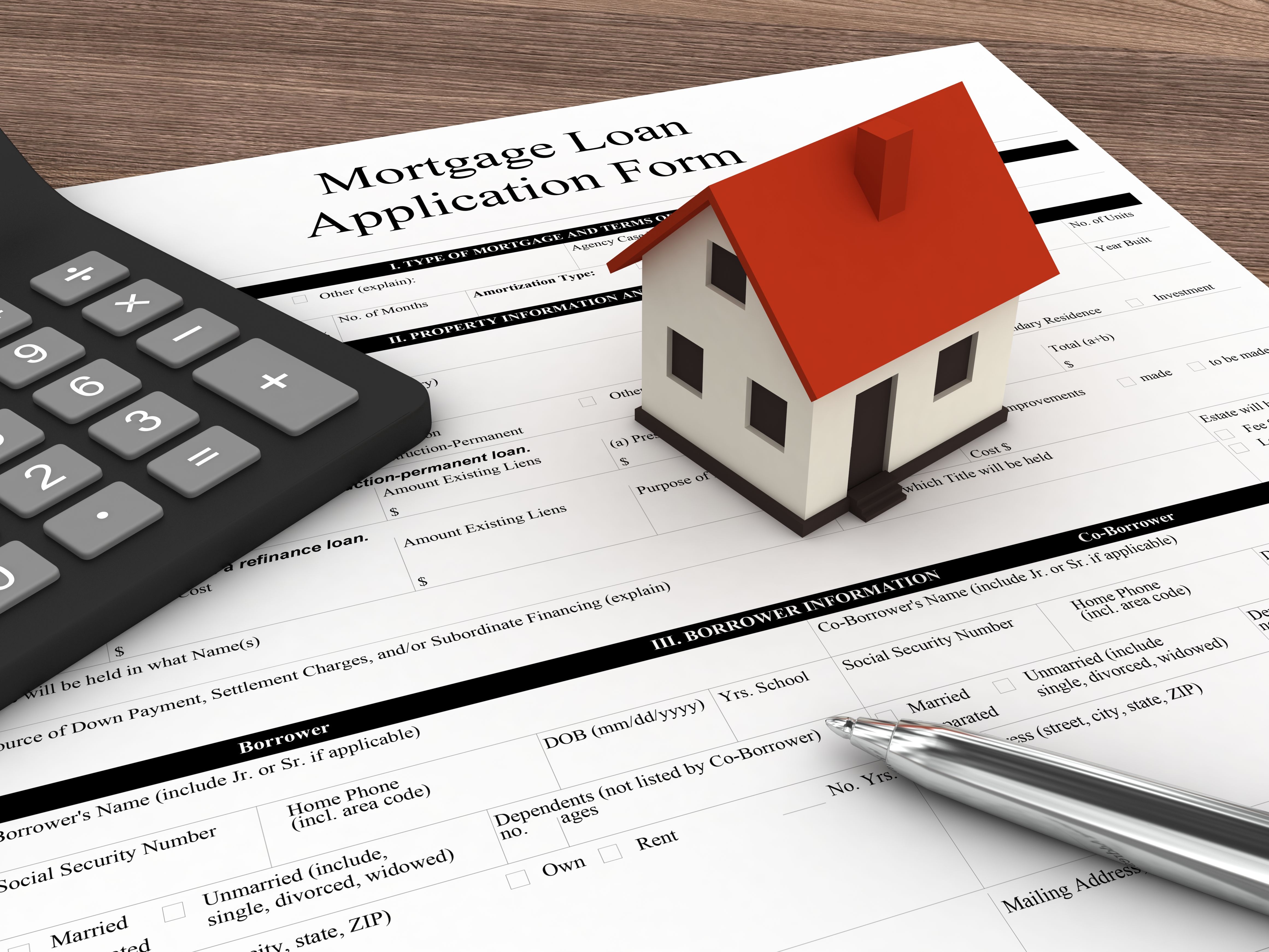
Benefits and Risks of Variable Rates
With a variable rate mortgage, you might enjoy lower initial payments, but it's essential to be prepared for potential increases. This type of mortgage can be ideal for those who plan to move or refinance before any significant rate hikes.
On the downside, if the market shifts unfavorably, you might find yourself paying much more than anticipated. It's crucial to evaluate your financial stability and risk tolerance when considering this option.
Which Option is Right for You?
Deciding between a fixed and variable rate mortgage depends on various factors, including your financial goals, how long you plan to stay in the home, and your ability to handle potential rate changes.
If you value stability and plan to stay in your home for many years, a fixed rate mortgage might be the best choice. Conversely, if you're comfortable with some risk and might move soon, a variable rate mortgage could offer significant savings.
Consulting with a Financial Advisor
Before making a decision, it's wise to consult with a financial advisor. They can help you analyze your financial situation, understand the market trends, and choose the mortgage that aligns with your long-term goals.
Ultimately, the right mortgage for you will depend on your individual circumstances and financial strategy. By weighing the pros and cons of each option, you can make an informed decision that suits your needs.